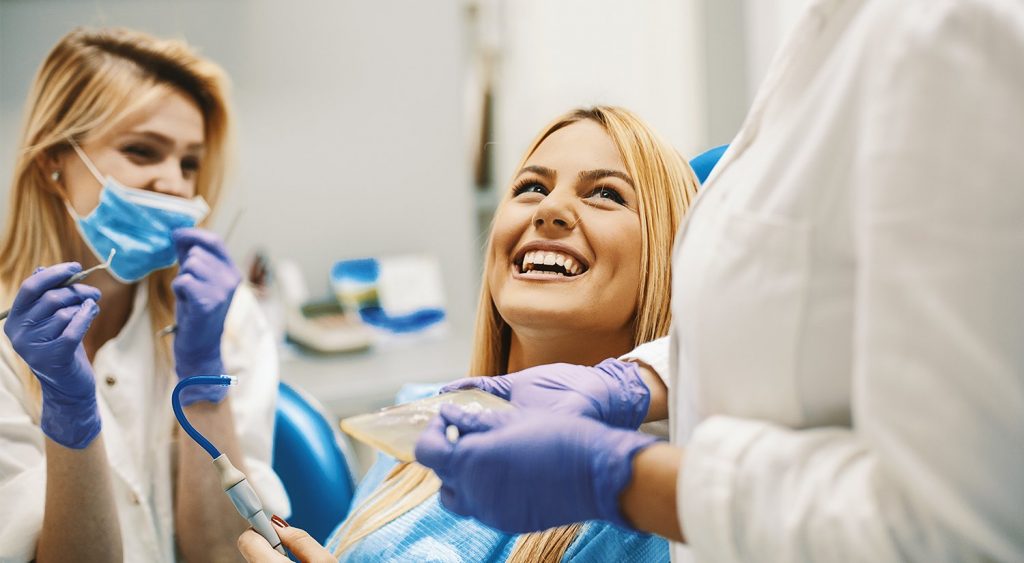
Your teeth carry you through every day. They help you eat, speak, and feel confident. Yet you often only call a Livermore dentist when something hurts. By that time, the damage is already deep. Preventive screenings change that pattern. These short visits catch small problems before they grow. They protect your teeth, your gums, and your budget. They also lower your risk for infections that can spread through your body. Regular checks, cleanings, and simple tests give you clear answers. They show what is working and what needs quick care. They also give you a chance to ask questions and get straight guidance. You gain control instead of waiting for a crisis. This blog explains why these screenings matter, what to expect at each visit, and how often to schedule them for long term dental wellness.
Why preventive screenings matter for your whole body
Tooth decay and gum disease do not stay quiet. They grow. They spread. They strain your body. The Centers for Disease Control and Prevention explains that untreated cavities are common in children and adults and can cause pain, infections, and problems with eating and speaking.
Routine screenings protect more than your smile. They help you
- Spot decay before it reaches the nerve
- Catch gum disease while it is still easy to reverse
- Find signs of oral cancer early when treatment works best
Early findings mean simpler care. You face fewer long visits. You often avoid root canals, extractions, or emergency room trips. You also protect your heart, lungs, and blood sugar. The mouth is a gateway. Infection here can strain the rest of your body.
What happens during a preventive dental screening
A screening visit is calm and clear. You sit down. You share changes you have noticed. You answer questions about pain, bleeding, dry mouth, and habits like grinding or tobacco use.
Then your care team usually follows three steps.
- Visual exam. The dentist checks your teeth, gums, tongue, cheeks, and throat. They look for color changes, swelling, worn spots, and sores.
- Cleaning. The hygienist removes plaque and tartar. They floss and polish your teeth. You leave with a fresh mouth that is easier to keep clean at home.
- Screening tests. You may have X rays, gum measurements, or an oral cancer check. These tests see what eyes cannot.
The National Institute of Dental and Craniofacial Research stresses that regular checkups and cleanings support healthy teeth and gums across life.
How often you should schedule screenings
Most people need a checkup every six months. Some need visits more often. For example, you may need three or four visits each year if you have
- Diabetes
- Past gum disease
- Many fillings or crowns
- Dry mouth from medicines or health problems
- Tobacco or heavy alcohol use
Children should see a dentist by their first birthday or when the first tooth appears. Regular visits from that point build strong habits and catch decay early. Older adults also need steady care. Tooth loss is not a given. Screenings help you keep your teeth as long as possible.