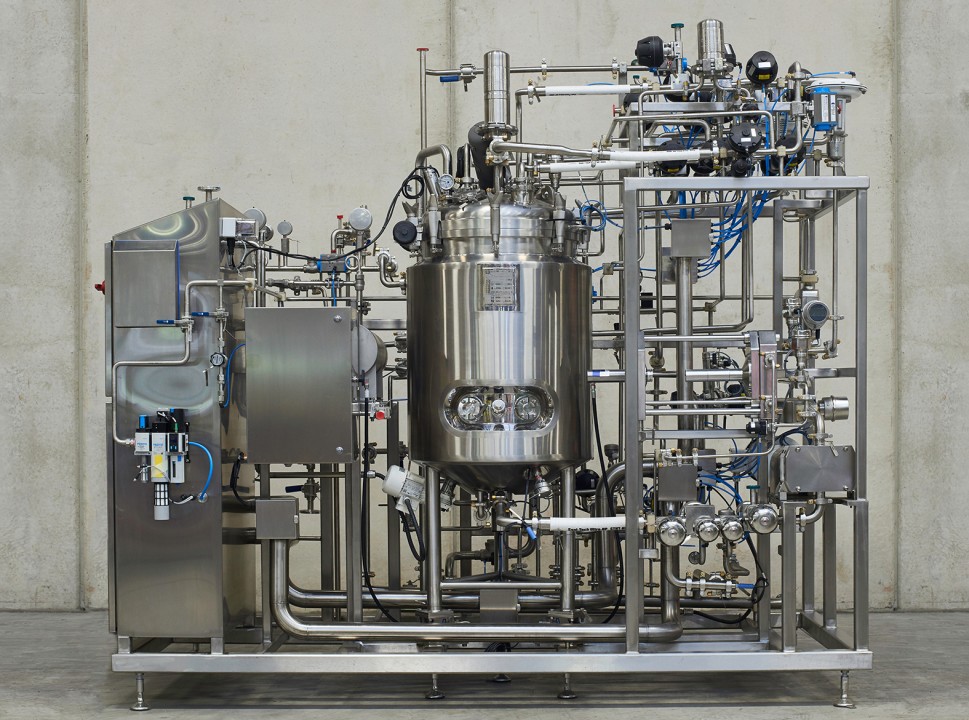
In the pharmaceutical world, product safety and purity are non-negotiable. Every medicine consumed by a patient must meet the highest standards of quality, and contamination of any kind can have serious consequences. This is why cleaning validation in pharmacutical industry has become one of the most essential elements of quality assurance and regulatory compliance. It ensures that equipment, facilities, and manufacturing processes remain free from harmful residues, microorganisms, and cross-contamination risks.
Understanding Cleaning Validation
Cleaning validation is a documented and systematic process that demonstrates the effectiveness of cleaning procedures in consistently removing residues to predetermined safe levels. These residues may include active pharmaceutical ingredients (APIs), excipients, cleaning agents, environmental contaminants, or microbial impurities. The process often involves sampling the cleaned equipment surfaces, analyzing the samples for residues, and evaluating the disposal of generated autosampler wastewater.
The goal is simple yet critical: to prove that after a piece of equipment is cleaned, it will not carry over any trace materials that could affect the next product manufactured on the same equipment.
Importance of Cleaning Validation
The significance of cleaning validation in pharmacutical industry can be understood through three major pillars: patient safety, product quality, and regulatory expectations.
1. Patient Safety
Contaminated products pose severe health risks. Even traces of unwanted substances can cause allergic reactions, toxicity, or reduced therapeutic effectiveness. Cleaning validation ensures that every product reaching the patient is safe and free from unintended chemicals or microbes.
2. Product Quality
Impurities or cross-contaminants can alter a product’s potency, stability, or appearance. A robust cleaning validation system ensures that each batch meets its intended specifications without interference from previous batches.
3. Regulatory Compliance
Global regulatory bodies such as the FDA, EMA, WHO, and MHRA require pharmaceutical companies to implement proper cleaning validation programs. Non-compliance can lead to warning letters, shutdowns, penalties, or product recalls. Maintaining a validated cleaning process therefore protects both reputation and business continuity.
Key Components of an Effective Cleaning Validation Program
Implementing a thorough cleaning validation strategy involves several structured steps. Each element must be well-planned, scientifically justified, and properly documented.
1. Risk Assessment
A risk-based approach identifies equipment, processes, or products that pose the highest risk of contamination. High-potency drugs, biologics, or allergenic products often require more rigorous validation due to their sensitivity and impact on patient health.
2. Defining Acceptance Criteria
Before any validation activity begins, allowable limits for residues must be established. These limits are calculated based on product toxicity, therapeutic dose, and safety factors. Modern guidelines favor health-based exposure limits such as PDE (Permitted Daily Exposure) or ADE (Acceptable Daily Exposure).
3. Selecting the Worst-Case Scenario
Regulatory expectations require companies to challenge cleaning procedures under the toughest possible conditions. A worst-case scenario might include:
-
The hardest-to-clean product
-
Maximum dirty hold time
-
Minimum cleaning time
-
Lowest cleaning temperature
-
The most complex equipment setup
Successfully cleaning under these conditions provides strong evidence of process robustness.
4. Analytical Method Validation
Reliable testing methods are essential. Common analytical techniques include HPLC, TOC (Total Organic Carbon), UV spectroscopy, and microbial assays. These methods must be validated for sensitivity, accuracy, specificity, and reproducibility.
5. Sampling Techniques
Sampling is the cornerstone of cleaning validation. Two widely used techniques are:
-
Swab Sampling: A swab is used to collect residue from defined surface areas, typically focusing on hard-to-clean or inaccessible locations.
-
Rinse Sampling: Water or solvent is used to rinse the equipment, and the rinse solution is analyzed for residue content.


