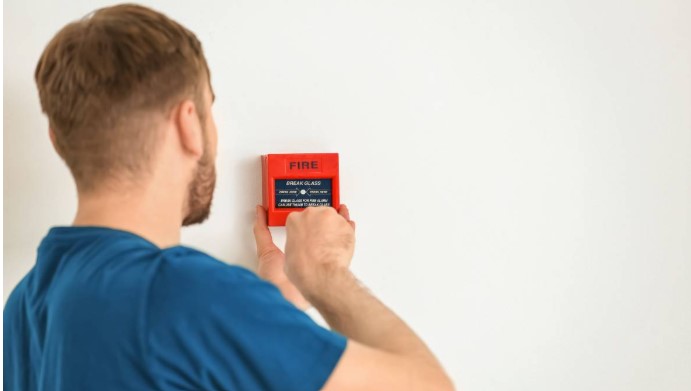
Fire alarm systems are crucial for ensuring safety in both residential and commercial spaces. Proper installation and maintenance of these systems are essential to ensure they function optimally during an emergency. However, many people make common mistakes during the installation process, which can lead to ineffective fire alarms and, in the worst case, catastrophic consequences. To ensure your system is correctly installed, it’s essential to work with a qualified Fire Detection Installer London who can guarantee the installation meets all safety standards. In this blog, we will highlight some of the most frequent mistakes made during fire alarm installation and offer advice on how to avoid them..
Choosing the Wrong Location for Sensors
One of the most critical aspects of fire alarm installation is the proper placement of smoke and heat sensors. Many people mistakenly install sensors in locations that are not ideal for detecting fires. Common errors include placing smoke alarms near kitchens, bathrooms, or vents. While it’s important to have fire alarms throughout your property, placing them too close to heat sources or high-traffic areas can trigger false alarms, which can lead to alarm fatigue.
Another mistake is installing alarms in corners or near obstructions such as beams, shelves, or large furniture. These obstructions can interfere with the sensor’s ability to detect smoke or heat. Ideally, smoke alarms should be placed on the ceiling, away from vents, air conditioners, and direct heat sources, to ensure they can detect smoke from all directions.
Not Considering the Right Type of Alarm
Fire alarm systems come in various types, and each is designed to detect different hazards. There are ionization smoke alarms, photoelectric smoke alarms, and combination smoke and carbon monoxide detectors. Each of these alarms is suited for different types of environments or specific fire risks. For instance, ionization alarms are generally better at detecting fast-burning, flaming fires, while photoelectric alarms are more effective at detecting smoldering fires.
Failing to select the right type of alarm can compromise the safety of the building. Before installation, it is essential to assess the environment to understand what type of fire risks are most likely to occur. For example, if you are installing alarms in a kitchen, you might want to choose heat detectors or photoelectric alarms, which are less likely to be triggered by cooking smoke.
Incorrect Wiring and Power Supply Issues
Fire alarms rely on a reliable power source to function correctly. One of the most common mistakes during installation is improper wiring or failing to check that the power supply is adequate. If the system is not wired correctly, the alarms may not work during an emergency or could malfunction at any time. Inadequate power supply, such as failing to connect to a backup power source or neglecting to use the proper wiring gauge, can also cause the system to fail when needed most.
When installing a hardwired system, it is important to ensure that the wiring is up to code, connected securely, and free from interference. For battery-operated systems, checking that batteries are installed correctly and that they have enough charge is critical. It’s also a good idea to use high-quality batteries and check them regularly.
Failing to Test the System
Once the fire alarm system is installed, many people fail to test the system thoroughly to ensure everything is working properly. A fire alarm system may look good on paper, but it’s only when it is tested that you can confirm whether it will perform as expected during an actual emergency.
Testing should be done regularly, both immediately after installation and periodically thereafter. This includes checking the sound of the alarm, verifying that all sensors are functioning, and ensuring that the system is properly linked to emergency services if necessary. It’s also important to check that the alarms are loud enough to be heard throughout the entire building, including in areas where people may be sleeping or working.