Dental Sealants for Adults: Beyond Childhood Cavity Prevention

When most people hear the phrase “dental sealants,” they picture a child in the dentist’s chair getting a quick coating applied after a routine cleaning. It’s a fair association — sealants have long been promoted as a childhood intervention, a way to protect young, cavity-prone teeth during the most vulnerable years. But this narrow view leaves a lot of adults out of a conversation that could genuinely benefit their oral health. The truth is that dental sealants are just as relevant — and just as effective — for grown-ups as they are for kids.
Understanding Dental Sealants
What Are Dental Sealants?
Dental sealants are thin, protective coatings applied to the chewing surfaces of molars and premolars. Composed of plastic resin, these sealants act as a barrier, preventing the accumulation of food particles and bacteria within the deep crevices of the teeth. Think of them as a raincoat for your back teeth — a simple layer of defense that keeps trouble from getting in.
The grooves and pits on the surfaces of molars are notoriously difficult to clean, even with diligent brushing. Toothbrush bristles often can’t reach far enough into those tight channels to dislodge bacteria and debris effectively. Over time, this creates an ideal environment for decay to develop. A sealant fills in those crevices, creating a smooth surface that’s far easier to clean and far less hospitable to the bacteria that cause cavities.
Beyond Childhood: Adult Application
Contrary to common belief, dental sealants aren’t just for children. Adults, too, can harness their protective qualities. The susceptibility to cavities persists throughout life — it doesn’t magically stop once you pass your teenage years. Factors like diet, dry mouth, certain medications, and the natural wear of enamel over time mean that adults remain at meaningful risk for tooth decay well into their later years. Sealants offer a proactive approach to combat this ongoing risk rather than waiting for a problem to emerge and then addressing it reactively.
The Application Process: Simpler Than You Might Expect
A Painless Procedure
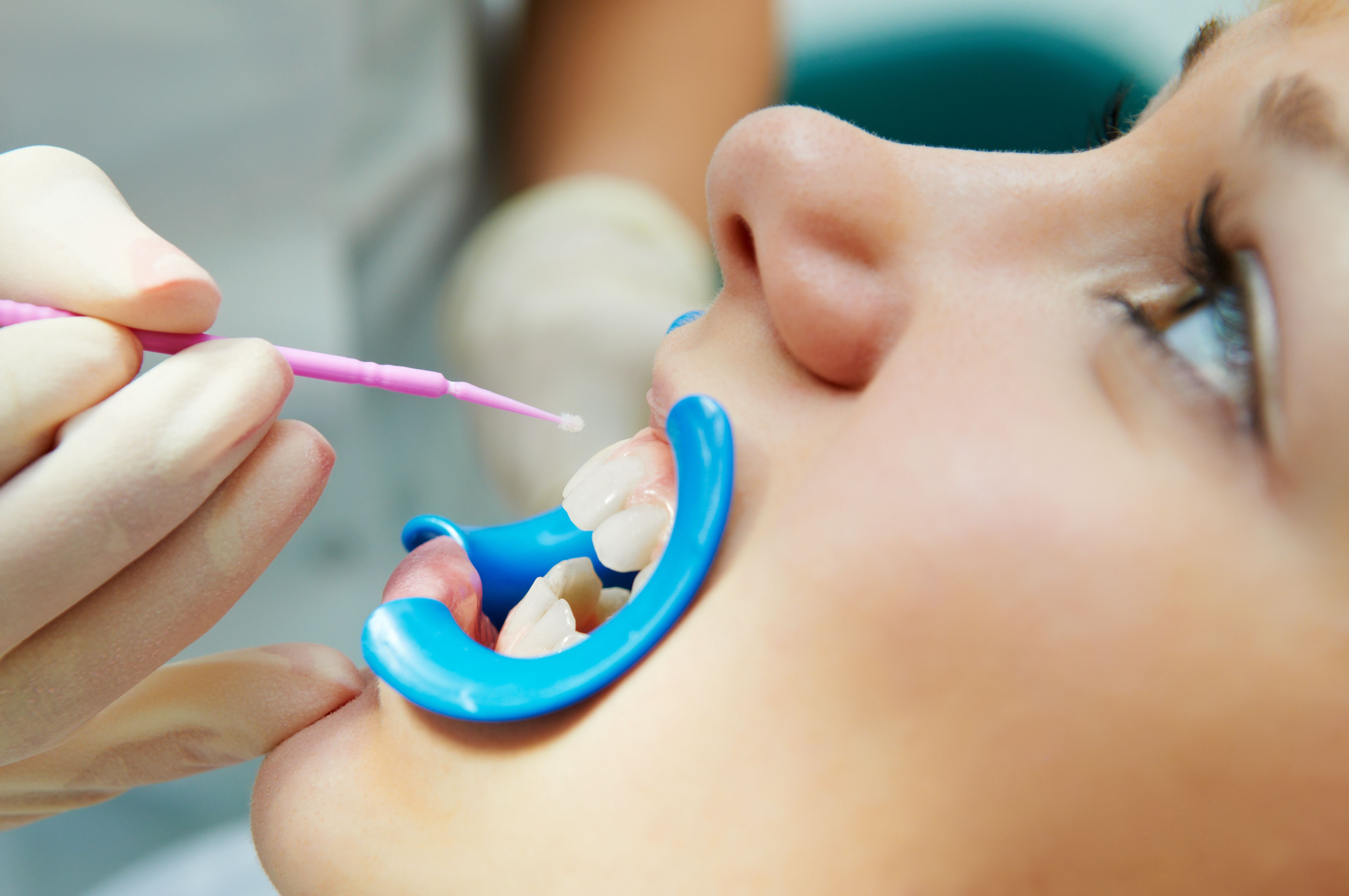
One of the most reassuring things about dental sealants is how straightforward the application process is. There are no needles, no drilling, and no recovery time. Applying dental sealants is a painless and quick process. A dentist in Durham, NC, starts by cleaning the tooth surface thoroughly to remove any plaque or debris. After drying the tooth, an acidic solution is applied to create a slightly rough texture, which helps the sealant adhere more effectively to the enamel. Once the tooth is prepared, the sealant material is carefully painted onto the tooth surface, where it bonds seamlessly and hardens — sometimes with the help of a special curing light.
The entire process typically takes only a few minutes per tooth. Most patients leave their appointment with no discomfort and can eat and drink normally shortly afterward. For a procedure that can offer years of protection, it demands very little in terms of time or tolerance.
Long-lasting Protection
The longevity of dental sealants is a key advantage. Typically, they can last for several years with proper care. They’re not indestructible — chewing very hard foods or grinding teeth can wear them down over time — but they hold up well under normal conditions. Routine dental check-ups ensure the sealants remain intact, offering continuous protection against cavities. At each visit, your dentist can quickly assess whether a sealant needs to be touched up or reapplied, keeping your protection current without any major intervention.
The Real Advantages of Dental Sealants for Adults
Cavity Prevention
The primary objective of dental sealants is to prevent cavities. By forming a protective shield over the tooth’s chewing surface, sealants block the infiltration of decay-causing bacteria, dramatically reducing the risk of cavities in the areas they cover. For adults who have already dealt with cavities in their front teeth or other areas, protecting the back teeth — which handle the bulk of chewing force — becomes especially important.
A Cost-effective Strategy
Investing in dental sealants proves to be a cost-effective strategy for oral care. The upfront cost is considerably lower than the expenses associated with treating cavities and undergoing restorative dental procedures. When you weigh the price of a sealant application against the cost of fillings, crowns, or root canals — all of which may be necessary if decay is left to progress — the math strongly favors prevention. Sealants are the kind of small investment that can save you from far more significant expenses down the road.
Beyond the financial dimension, there’s also the matter of time and comfort. Restorative procedures take longer, often require anesthesia, and can involve some post-appointment soreness. Preventing the need for those procedures is a win on every front.
Preserving Your Natural Teeth
Dental sealants play a crucial role in preserving the natural structure of teeth. As a non-invasive preventive measure, they help maintain the integrity of the tooth enamel, preventing the need for more extensive dental interventions. Unlike fillings, which require removing a portion of the tooth to place, sealants don’t alter the tooth at all. They simply add a protective layer on top of what’s already there. In a field where preserving natural tooth structure is increasingly recognized as a priority, sealants align perfectly with that philosophy.
Who Should Consider Dental Sealants?
High-risk Individuals
Adults with a history of cavities or those prone to dental issues can significantly benefit from dental sealants. High-risk individuals — such as those with particularly deep crevices in their molars, a dry mouth condition, or a diet high in sugars and refined carbohydrates — find these sealants particularly advantageous. If your dentist has flagged you as someone who tends to develop cavities despite good hygiene habits, sealants are absolutely worth discussing.
People who experience difficulty with manual dexterity, which can make thorough brushing harder, may also find that sealants provide a meaningful safety net. Similarly, anyone undergoing orthodontic treatment with braces — which can make cleaning back teeth even more challenging — might benefit from sealants during that period.
The Aging Population
As individuals age, oral health becomes increasingly important and increasingly complex. Gum recession, enamel thinning, increased medication use (many of which cause dry mouth), and the cumulative wear of decades of chewing all contribute to a higher cavity risk in older adults. Dental sealants offer a proactive solution for the aging population, aiding in the preservation of oral well-being during a life stage when maintaining natural teeth is more important than ever.
Keeping natural teeth healthy into old age is linked to better overall nutrition, clearer speech, and improved quality of life. Any tool that helps achieve that goal — especially one as simple and painless as a sealant — deserves serious consideration.
Talking to Your Dentist About Sealants
If you’ve never discussed dental sealants with your dentist as an adult, it’s worth bringing up at your next appointment. Not every adult will be an ideal candidate — teeth that already have fillings or significant decay may not benefit in the same way — but for adults with healthy back teeth that are simply at risk, sealants can be a smart, straightforward addition to a preventive care routine.
Your dentist can evaluate the condition of your molars and premolars, assess your personal cavity risk, and help you determine whether sealants make sense for your situation. The conversation takes only a few minutes, and the potential payoff in long-term oral health is substantial.
A Simple Step with Lasting Impact
Dental sealants for adults represent one of the more underutilized tools in preventive dental care. Moving beyond their association with childhood, these sealants provide a proactive and cost-effective approach to cavity prevention that suits adults of all ages. Embracing this preventive measure not only safeguards oral health but also preserves the natural beauty of one’s smile — and the function, comfort, and confidence that come with it. In a world where so much of dental treatment is focused on fixing problems after they arise, sealants offer something genuinely valuable: the chance to stop those problems from starting in the first place.

David Wilson
David Wilson covers business, home services and consumer tech for Businesstomark. He enjoys turning complex topics, from new car launches to everyday buying decisions, into straightforward guides readers can actually use.