
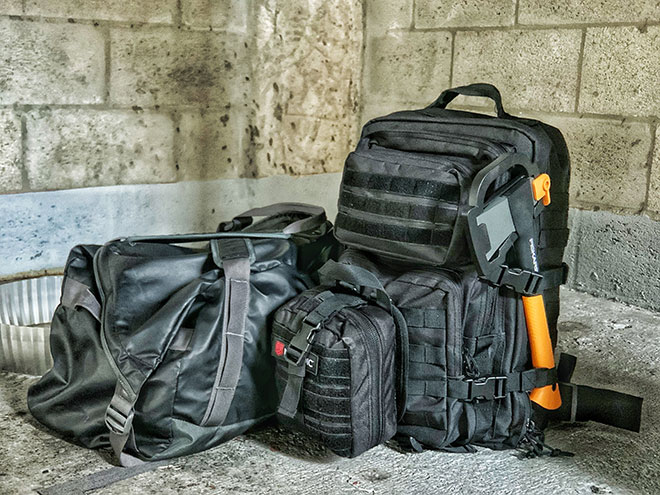
Bugout bags, often referred to as 72-hour bags or go bags, are an essential component of emergency preparedness. These bags are carefully curated kits designed to sustain an individual or a family for up to 72 hours during an evacuation or emergency situation. In this comprehensive guide, we will delve into the intricacies of bugout bags, exploring their components, the selection process, customization, maintenance, and real-life scenarios.
Introduction
Bugout bags serve as a lifeline during times of crisis, ensuring that you have the necessary supplies to weather the storm, be it a natural disaster or civil unrest. Understanding the components and the art of preparation is crucial for every individual or family.
Components of Bugout Bags
Shelter and Sleeping Gear
Bugout bags should include lightweight and compact shelter options, such as tents or tarps, along with sleeping bags suitable for the environment.
Food and Water Supplies
Long-lasting, non-perishable food items and water purification methods are vital to sustain you until help arrives or normalcy is restored.
First Aid Kit
A comprehensive first aid kit, including prescription medications and personal medical information, is essential for addressing injuries and illnesses.
Clothing and Personal Items
Pack weather-appropriate clothing, personal hygiene items, and important documents for identification and communication.
Tools and Navigation Equipment
Include multi-tools, a survival knife, a compass, and maps to ensure you can navigate your way to safety and address unforeseen challenges.
Choosing the Right Bugout Bag
Considerations for Size and Weight
Select a bag that suits your physical abilities, considering factors like age and fitness level, to ensure you can comfortably carry it for extended periods.
Durability and Material
Invest in a durable bag made from quality materials to withstand the rigors of emergency situations and environmental elements.
Organizational Features
Opt for a bag with compartments and pockets to keep your gear organized, facilitating quick access during high-stress situations.
Essential Items for Bugout Bags
Multi-tool and Survival Knife
A versatile multi-tool and a reliable survival knife are indispensable for various tasks, from cutting to fixing and improvisation.
Communication Devices
Include communication devices like a portable radio or a satellite phone to stay informed about the situation and coordinate with others.
Emergency Lighting
Pack flashlights, headlamps, and spare batteries to ensure visibility during nighttime evacuations or power outages.
Fire Starters
Having reliable fire-starting tools is crucial for warmth, cooking, and signaling for help.
Building a Custom Bugout Bag
Tailoring to Specific Needs
Customize your bugout bag based on your specific needs, considering factors like medical conditions, dietary restrictions, and personal preferences.
Seasonal Considerations
Adapt your bugout bag contents to seasonal changes, ensuring you have appropriate clothing and gear for different weather conditions.
Bugout Bag Maintenance
Regular Checklists
Establish regular checklists to ensure all items are in working order, and supplies are within their expiration dates.
Rotating Perishable Items
Periodically rotate perishable items like food and medications to maintain their effectiveness.
Updating Supplies
Stay informed about the latest emergency preparedness recommendations and update your bugout bag accordingly.

