Paramount Skydance Settles Final Legal Hurdle, Clearing Path for $111 Billion Warner Bros. Discovery Deal

 Business
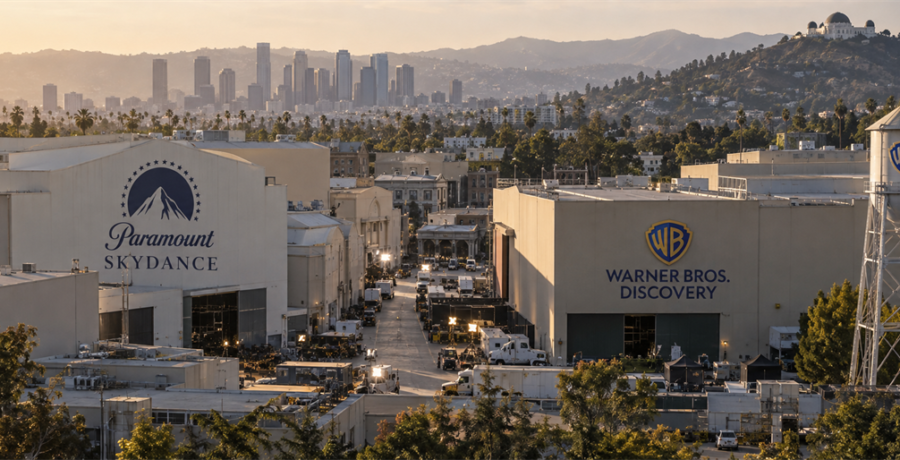
 One of the longest, most dramatic corporate bidding wars in recent media history just reached its actual conclusion — not with Netflix, the company many assumed would win, but with Paramount Skydance walking away with Warner Bros. Discovery entirely, after settling the one legal obstacle standing in its way.
What Was Actually Just Settled
Paramount Skydance agreed to a settlement with 12 state attorneys general who had sued to block its $110 billion acquisition of Warner Bros. Discovery, according to Axios’s coverage of the settlement, clearing the last major legal obstacle in what’s become one of the most expensive and drawn-out merger fights in recent U.S. corporate history.
How This Genuinely Long Saga Actually Unfolded
The path here was genuinely winding. Warner Bros. Discovery originally agreed to sell its studio and streaming business to Netflix in December 2025, in an all-cash deal eventually valued at $27.75 per share. Paramount Skydance then launched a competing bid, revising its offer multiple times before WBD’s board determined in late February 2026 that Paramount’s $31-per-share, $110.9 billion proposal constituted a genuinely superior offer — at which point Netflix declined to counter and walked away with a $2.8 billion breakup fee instead.
Why the Deal Then Hit a Genuine Legal Roadblock
Warner shareholders approved the acquisition in April 2026, and the Department of Justice cleared it a month later — but in July, attorneys general from 12 states sued specifically to block the deal, arguing according to Britannica’s summary of the legal timeline that the merger would meaningfully reduce competition across film distribution, cable television, and streaming. A federal judge issued a temporary restraining order pausing the transaction shortly after.
What Changed to Finally Clear the Path
Paramount’s settlement with the states this week resolves that specific legal challenge, following the Federal Communications Commission’s own separate approval on September 17. With both the state lawsuit and federal regulatory review now cleared, the transaction can genuinely proceed toward completion after roughly a year of competing bids, legal challenges, and public uncertainty.
Why This Deal Genuinely Reshapes the Media Landscape
Once completed, the combined company brings together two major film studios (Paramount Pictures and Warner Bros.), two global streaming services (Paramount+ and HBO Max), and two major news networks (CNN and CBS) under unified ownership, according to Deadline’s coverage of the deal’s completion, creating genuinely one of the largest integrated film, television, and news operations in the world.
Why Regulatory Approval Required Real Concessions
Securing FCC approval specifically required Paramount to make genuinely consequential commitments — eliminating diversity, equity, and inclusion programs and establishing a CBS News ombudsman position specifically to review bias complaints, changes that drew real scrutiny given the political context surrounding the deal’s approval process.
What This Means for Streaming Consumers Specifically
Consolidating HBO Max and Paramount+ under one owner genuinely raises real, practical questions about eventual platform integration, pricing, and content library changes — the kind of restructuring that historically follows major streaming consolidation, even when not immediately announced alongside the deal’s completion.
Why This Matters for Netflix Investors Specifically
Despite losing the bidding war, Netflix walked away with a genuine $2.8 billion breakup fee and avoided taking on WBD’s considerable existing debt load — a outcome some analysts view as a genuinely reasonable financial result even without winning the actual asset, since integration risk and debt burden now belong entirely to Paramount instead.
What Happens Next in the Deal’s Actual Completion
With the major legal and regulatory hurdles now cleared, the transaction moves toward final closing — though genuine integration of two companies this large, spanning studios, streaming platforms, and news networks, typically takes considerable additional time even after a deal is technically finalized.
How This Connects to Broader Media Consolidation Trends
This deal reflects a genuinely broader pattern of media consolidation reshaping the streaming landscape, a dynamic worth watching alongside our coverage of how AI and technology shifts are reshaping business competition broadly, where major structural shifts across media and technology increasingly intersect as companies race to build genuinely comprehensive content and distribution ecosystems.
What Investors and Industry Watchers Should Actually Do Now
Tracking specific integration announcements — platform merger plans, content library changes, potential layoffs — over the coming months will reveal considerably more about the deal’s real impact than the settlement announcement alone. This connects to [CLIENT LINK PLACEHOLDER] our broader coverage of major media and business consolidation, where the actual post-merger execution consistently matters more than the deal announcement itself.
Frequently Asked Questions
Has the Paramount-WBD deal officially closed?
The major legal and regulatory obstacles have now been cleared, though final closing details should be confirmed through the companies’ own official announcements as the transaction completes.
Why did Netflix ultimately lose the bidding war?
Netflix declined to counter Paramount’s revised $31-per-share offer, which WBD’s board determined constituted a superior proposal, leading Netflix to walk away with a contractual breakup fee instead of continuing to bid higher.
The Bottom Line
Paramount Skydance’s settlement with state attorneys general marks the genuine conclusion of one of the most dramatic corporate bidding wars in recent media history, clearing the path for a combined company spanning major film studios, streaming platforms, and news networks — with the real, practical impact on consumers and the broader industry still unfolding as integration actually begins.