Demystifying Car Shipping Costs: Factors That Determine Pricing

 Business
 Demystifying Car Shipping Costs: Factors That Determine Pricing
If you’ve ever tried to get a quote for moving a vehicle, you already know the answer is rarely simple. The cost to ship a car depends on a surprisingly wide range of variables — and understanding each one puts you in a much stronger position to budget accurately, compare carriers fairly, and avoid unexpected charges. Below is a detailed breakdown of every major factor that shapes what you’ll pay when shipping your vehicle.
Distance and Location
It makes intuitive sense that longer trips cost more, but distance alone doesn’t tell the whole story. A 500-mile route between two major cities with well-traveled transport corridors may actually cost less per mile than a 300-mile haul to a rural destination with limited carrier access.
Carriers plan their routes based on efficiency. The more frequently a route is serviced, the easier it is to fill a transport truck — and those savings get passed on to the customer. Shipping to or from remote areas, by contrast, often requires a carrier to go out of their way, which adds both time and cost. If you have flexibility in where you can drop off or pick up your vehicle, choosing a nearby city hub rather than a rural address can meaningfully reduce your quote.
Type of Transport Service
One of the most impactful decisions you’ll make is choosing between the two main types of transport:
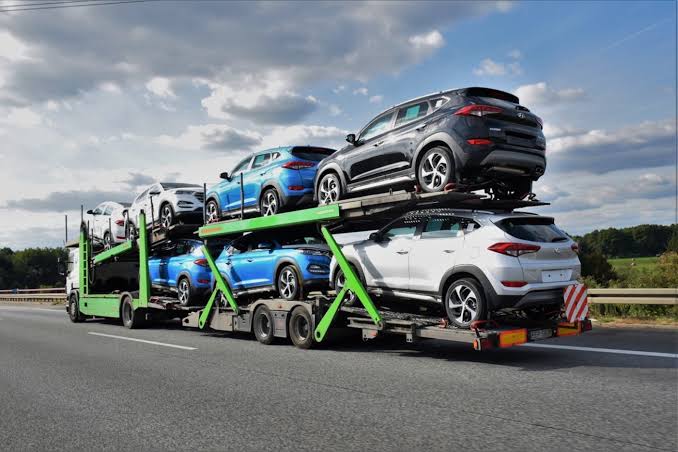
- Open Transport: This is the most common and affordable option. Your car travels on an open-air carrier — the same kind you see hauling new vehicles on the highway. While it exposes your car to the elements, road debris, and weather, the vast majority of vehicles arrive without issue. Open transport is the go-to choice for everyday cars and budget-conscious shippers.
- Enclosed Transport: Your vehicle rides inside a fully enclosed trailer, shielded from weather, dust, and road grime. This option is ideal for luxury vehicles, classic cars, exotic sports cars, or any vehicle with high monetary or sentimental value. The added protection comes at a premium, typically costing noticeably more than open transport.
Think honestly about your vehicle’s value and your risk tolerance before choosing. For most standard cars, open transport is perfectly adequate and the more economical choice.
Vehicle Size and Weight
Every spot on a transport carrier is limited by space and weight capacity. A compact sedan takes up less room and adds less load than a full-size pickup truck or a large SUV. Naturally, larger and heavier vehicles cost more to ship because they consume a greater share of the carrier’s available capacity.
If you’re shipping an oversized vehicle — a lifted truck, a van, or a vehicle with aftermarket modifications that increase its height or width — expect to pay a premium, as fitting it onto a standard carrier may require special arrangements.
Current Fuel Prices
The auto transport industry is heavily dependent on diesel fuel, and carriers watch fuel prices closely. When fuel costs spike, those increases are passed along to customers through higher shipping rates. Conversely, when fuel prices dip, the market tends to become slightly more competitive. While you can’t control fuel prices, being aware of this factor helps explain why quotes for the same route might differ significantly from one month to the next.
Time of Year and Seasonality
Seasons affect car shipping more than most people expect. Several seasonal patterns influence pricing:
- Winter months bring weather-related challenges, particularly on northern routes. Snow, ice, and hazardous road conditions can slow transit times and increase risk, which is often reflected in higher prices for certain corridors.
- Summer months typically bring a surge in demand, especially in vacation-heavy regions and along popular snowbird routes (such as moves to and from Florida or Arizona). When more people are trying to ship vehicles at the same time, prices naturally climb.
- Shoulder seasons — spring and fall — can sometimes offer better pricing, as demand is more moderate and carriers may be more willing to negotiate.
If your schedule allows any flexibility, timing your shipment strategically can lead to real savings.
Vehicle Condition
Carriers assume that every vehicle being loaded is operable — meaning it can start, roll, and be steered onto the transport truck under its own power. If your car is inoperable due to a mechanical failure, a dead battery, or accident damage, loading it requires additional equipment such as a forklift or winch, plus extra labor time.
This added complexity almost always results in a surcharge. If your vehicle is inoperable, be upfront about it when requesting quotes so carriers can factor in the necessary equipment and give you an accurate price from the start.
Delivery Speed
Standard auto transport operates within a delivery window, which can range anywhere from a few days to a couple of weeks depending on the route. If you need your vehicle to arrive by a specific date, expedited shipping services are available — but they come at a higher price.
Expedited services essentially ask carriers to prioritize your vehicle, which may mean the carrier takes on fewer other vehicles or adjusts their route to accommodate your timeline. That added flexibility costs money. If speed is a priority, budget for it in advance.
Supply and Demand on Specific Routes
The auto transport market functions much like any other marketplace: prices rise when demand exceeds supply. Some routes — such as coast-to-coast shipments or popular seasonal routes — see consistently high demand, which can keep prices elevated. Others, particularly less-traveled corridors, may have fewer carriers operating on them, which paradoxically can also drive prices up due to limited availability.
If you’re shipping along a high-demand route during a peak season, booking early gives you an advantage. Last-minute bookings on busy routes often result in higher quotes simply because fewer carriers are available.
Additional Services and Upgrades
Beyond the core transport, many companies offer optional services that can add convenience — and cost:
- Door-to-door delivery: Rather than dropping off or picking up your vehicle at a central terminal, the carrier comes directly to your home or a nearby location. This is more convenient but usually costs more than terminal-to-terminal service.
- Top-load placement: Requesting that your car be placed on the upper level of a two-tier open carrier reduces the risk of drips or debris from vehicles above it. Some companies offer this as a paid upgrade.
- Climate-controlled transport: A specialty option available on select enclosed carriers, this is particularly relevant for vintage or exotic cars that require stable temperature conditions during transit.
Consider which of these extras genuinely serve your needs versus which are unnecessary for your situation. Being selective keeps costs manageable.
Getting the Best Value for Your Shipment
Understanding these factors doesn’t just satisfy curiosity — it gives you real leverage. When you know why quotes vary, you can ask better questions, compare companies more fairly, and make adjustments to lower your costs when needed. Choosing open transport over enclosed, selecting a more accessible pickup location, shipping during an off-peak period, or booking in advance are all practical ways to reduce what you pay.
Car shipping costs are genuinely not one-size-fits-all, and the final quote you receive reflects a combination of all the factors above working together. Rather than being caught off guard, you can approach the process with clear expectations and the confidence to make choices that align with both your budget and your vehicle’s needs.


