Water Damage Restoration: A Comprehensive Guide

 Business
 Water Damage Restoration: A Comprehensive Guide
Water is essential for life, but when it infiltrates your home unexpectedly, it can lead to severe damage and distress. From compromising the structural integrity of your property to fostering the growth of harmful molds, the consequences of water damage are far-reaching. However, there’s hope.Water Damage Restoration experts are equipped to handle even the most challenging situations, ensuring your home returns to its pre-damaged state.
Understanding Water Damage
Defining Water Damage
Water damage refers to the destruction or deterioration of materials due to the intrusion of water. It can be classified into three categories: clean water damage (Category 1), grey water damage (Category 2), and black water damage (Category 3). The severity of the damage depends on the source and category of water.
Common Causes of Water Damage
Water damage can stem from various sources, including leaky pipes, plumbing issues, appliance malfunctions, roof leaks, and natural disasters such as floods and storms. Identifying the source is crucial for effective restoration.
The Consequences of Neglecting Water Damage
Structural Damage
When water saturates building materials like wood and drywall, it can lead to warping, weakening, and eventual collapse. Timely intervention is essential to prevent irreversible structural damage.
Mold Infestations
Stagnant water creates an ideal breeding ground for mold. Mold not only damages surfaces but also poses health risks to occupants, particularly those with respiratory issues.
Health Risks
Standing water and damp environments encourage the growth of bacteria and pathogens, jeopardizing the health of your family. Skin irritation, respiratory problems, and allergic reactions are potential consequences.
The Water Damage Restoration Process
Assessment and Inspection
Trained professionals conduct a thorough assessment to gauge the extent of the damage and develop a restoration plan. This step is crucial for an effective restoration process.
Water Removal and Extraction
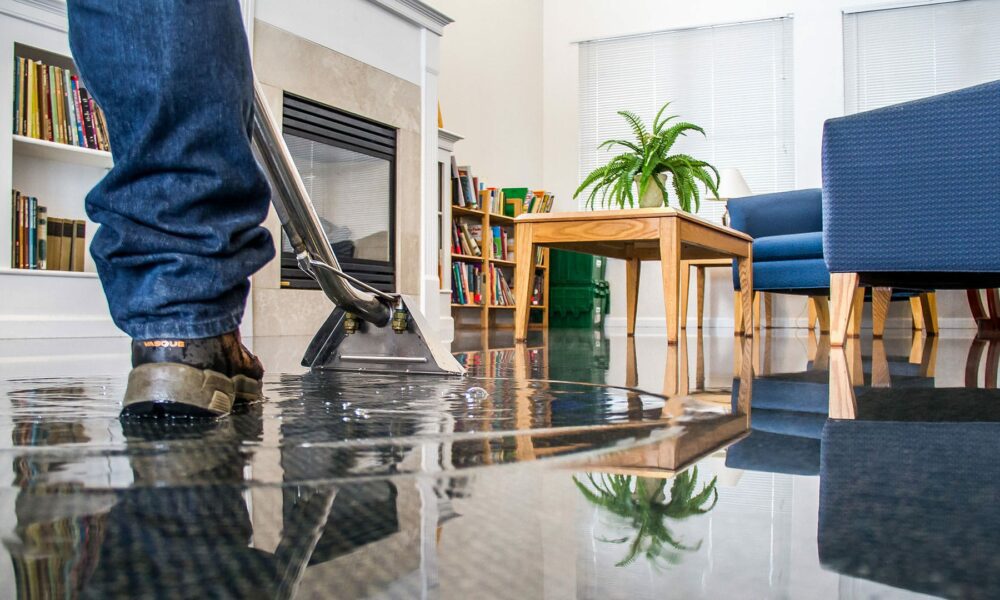
Using specialized equipment, experts swiftly remove standing water. This prevents further damage and mitigates the risk of mold growth.
Drying and Dehumidification
After water removal, the drying process begins. Industrial-grade dehumidifiers and air movers are employed to eliminate moisture from the air and materials.
Cleaning and Sanitizing
All affected surfaces are cleaned, sanitized, and treated with antimicrobial agents to prevent mold growth and eliminate harmful contaminants.
Restoration and Repairs
This phase involves repairing and restoring damaged materials, whether it’s replacing drywall, fixing flooring, or restoring the structural integrity of the property.
Choosing a Professional Water Damage Restoration Service
Qualities to Look For
When selecting a water damage restoration company, look for experience, certifications, and a strong track record of successful restorations. Read reviews and ask for referrals if needed.
Importance of Timely Response
Water damage requires swift action. A reputable restoration service understands the urgency and offers 24/7 emergency response to mitigate the damage.
DIY Water Damage Restoration: Pros and Cons
When to Tackle It Yourself
Minor water damage caused by a small leak may be manageable for a skilled DIY enthusiast. Quick action can sometimes prevent escalation.
Potential Risks and Limitations
DIY restoration can backfire if not done correctly. Inadequate drying or incomplete cleanup can lead to persistent issues like mold growth and hidden structural damage.
Preventing Future Water Damage
Regular Maintenance Tips
Routine checks for leaks, well-maintained gutters, and proper ventilation can go a long way in preventing water damage.
Upgrading Home Systems
Consider investing in sump pumps, backup generators, and water leak detection systems to fortify your home against potential water damage.
Insurance Considerations for Water Damage
Understanding Coverage
Review your homeowner’s insurance policy to understand what water damage scenarios are covered and what may require additional coverage.
Filing a Claim
In case of water damage, document the damage thoroughly and promptly inform your insurance provider. A timely and accurate claim submission can expedite the restoration process.
Conclusion
Water damage is a formidable adversary that can test the resilience of any homeowner. By understanding the causes, consequences, and the importance of timely intervention, you can navigate the challenges of water damage restoration with confidence. Whether you choose to enlist the help of professionals or tackle it yourself, remember that a swift and effective response is key to minimizing the impact on your home and well-being.