Knowing the Dynamics of Copper Scrap Price and Scrap Copper Price

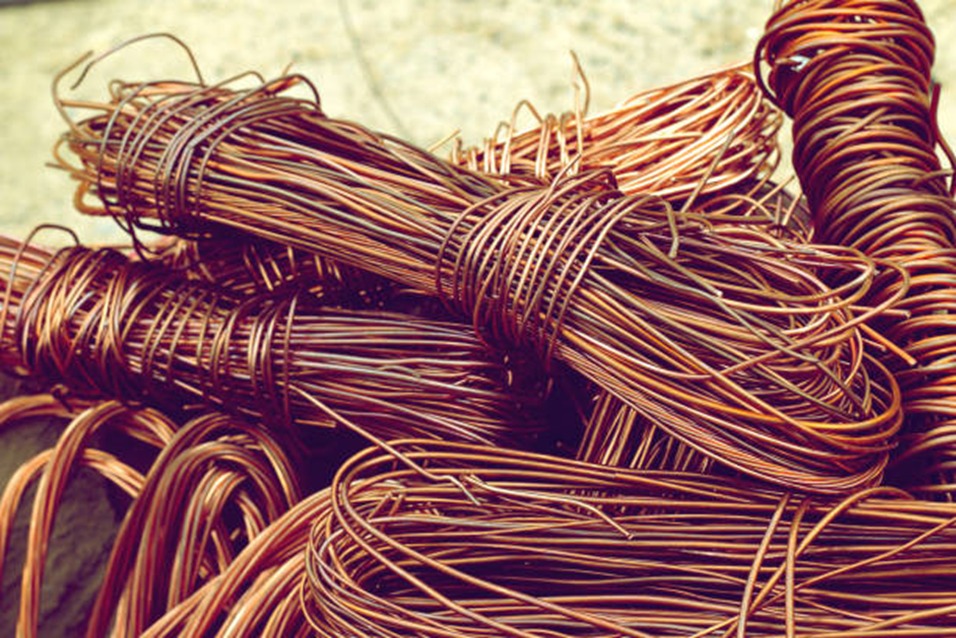
Copper is one of the most traded and recycled metals in the world, and for good reason. It is a critical material in electrical wiring, construction, plumbing, and consumer electronics. Because of its high demand and finite supply, copper scrap price and scrap copper price are closely watched by recyclers, manufacturers, traders, and investors alike. Whether you are a scrap dealer looking to maximize returns or a manufacturer trying to manage raw material costs, understanding what drives copper pricing is essential to making smart decisions.
The Genesis of Copper Scrap Pricing
The pricing of copper scrap does not emerge in a vacuum. It is shaped by decades of industrial history, technological change, and global economic development. During major industrial expansions — such as the post-World War II manufacturing boom or the rapid infrastructure growth in emerging economies — demand for copper surged, driving prices upward. Conversely, periods of economic contraction typically led to sharp price drops as manufacturing slowed and scrap yards saw reduced demand.
Today, copper pricing is largely benchmarked against the London Metal Exchange (LME), where copper futures are actively traded. The spot price of refined copper on global exchanges sets the baseline, and scrap copper price is then discounted from that benchmark based on the purity and grade of the material. Understanding this relationship between refined copper and scrap copper is the first step toward navigating the market effectively.
Market Dynamics: The Forces Behind Price Fluctuations
Several interconnected forces drive the constant movement in scrap copper price. At the broadest level, global supply and demand remain the dominant factors. When major economies are expanding — particularly large consumers of copper like China, India, and the United States — demand rises and prices follow. When construction activity slows or manufacturing output drops, prices tend to soften.
Beyond raw demand, geopolitical factors also play a significant role. Mining disruptions in copper-producing countries such as Chile and Peru — which together account for a major share of global copper production — can tighten supply and push prices higher. Trade policies, tariffs, and international sanctions can further complicate the picture by altering the flow of both refined copper and scrap material across borders.
Currency fluctuations are another key variable. Since copper is priced in US dollars on global markets, a stronger dollar tends to make copper more expensive for buyers using other currencies, which can reduce demand and put downward pressure on prices.
Geographical Variances: How Location Affects Scrap Copper Price
One of the often-overlooked dimensions of copper scrap price is the regional variation that exists even within a single country. Local supply and demand conditions, transportation costs, the density of scrap collection infrastructure, and the presence of nearby smelters or processors all influence what a scrap yard will pay for copper in a given area.
For example, a region with a high concentration of construction or demolition activity may have abundant scrap copper supply, which can push local prices slightly lower. Meanwhile, areas with fewer scrap dealers but strong industrial demand may offer more competitive rates. It always pays to compare prices from multiple buyers in your region before selling.
Environmental Regulations and Their Impact on Pricing
Environmental policy has become an increasingly important factor shaping scrap copper price dynamics. Stricter regulations on mining and smelting operations — aimed at reducing carbon emissions and environmental damage — can restrict the supply of newly refined copper, making scrap material relatively more valuable as a substitute input for manufacturers.
At the same time, regulations governing the handling, transportation, and processing of scrap metal can add compliance costs to recyclers, which may affect the prices they are able to offer. On the positive side, growing corporate sustainability commitments and government green-energy initiatives are boosting demand for recycled copper, particularly for use in electric vehicles, solar panels, and wind turbines — all of which are copper-intensive technologies.
Industrial Applications: Demand as a Price Determinant
The diversity of copper’s industrial applications is one reason why its scrap price tends to remain relatively resilient compared to other commodities. Copper is indispensable in electrical wiring, heat exchangers, motors, transformers, plumbing systems, and telecommunications infrastructure. Each of these sectors generates its own demand signal, meaning that even when one industry slows, others may continue to sustain copper consumption.
The ongoing global transition to clean energy is particularly significant. Electric vehicles require several times more copper than their internal combustion counterparts, and the build-out of renewable energy infrastructure is adding substantially to copper demand. This structural demand growth is widely expected to support copper prices — and by extension, copper scrap price — over the long term.
Innovations in Copper Recycling: Efficiency and Its Effect on Prices
Technological advancements in copper recycling are changing the economics of the scrap market. Improved sorting technologies, more efficient smelting processes, and better contamination removal methods have increased the quality and yield of recycled copper, making it more competitive with virgin material. As recycling becomes more efficient, the cost of processing scrap falls, which can benefit both sellers and buyers in the scrap market.
These innovations are also helping recyclers meet tighter purity standards demanded by high-tech manufacturers, expanding the range of end markets for recycled copper and supporting stronger pricing for higher-grade scrap.
The Role of Speculators in the Copper Market
Copper is not only a physical commodity — it is also a heavily traded financial instrument. Speculators, including hedge funds and commodity trading firms, take large positions in copper futures based on their expectations about future supply and demand. This speculative activity can amplify price movements, sometimes driving copper scrap price higher or lower than underlying physical market conditions might warrant.
For scrap dealers and small-scale recyclers, this means that short-term price volatility is an ever-present reality. Developing a disciplined approach to timing sales — and avoiding panic selling during temporary dips — can make a meaningful difference in overall returns.
Economic Trends: The Macroeconomic Backdrop
Copper is sometimes referred to as “Dr. Copper” because its price is widely regarded as a leading indicator of global economic health. When the world economy is growing, copper demand tends to rise; when it contracts, copper demand often falls first. This sensitivity to macroeconomic conditions means that anyone tracking scrap copper price should also pay attention to broader economic signals — including interest rate decisions, GDP growth forecasts, and industrial production data from major economies.
Inflationary environments can also boost copper prices in nominal terms, as investors turn to commodities as a store of value. However, if inflation prompts central banks to raise interest rates sharply, economic slowdown can follow, eventually weighing on copper demand.
Practical Tips for Navigating the Copper Scrap Market
- Know your grades. Copper scrap is classified into grades — such as bare bright copper, #1 copper, and #2 copper — each with different price points. Cleaning and sorting your scrap properly can significantly increase what you are paid.
- Track the market regularly. Copper prices move daily. Monitoring LME copper prices and checking with local dealers frequently helps you identify favorable selling windows.
- Build relationships with buyers. Established relationships with reputable scrap yards or processors can lead to more competitive offers and faster transactions.
- Consider timing your sales. If prices are temporarily depressed due to speculative activity or short-term economic concerns, holding inventory briefly — if storage allows — may yield better returns.
- Stay informed about regulations. Changes in environmental or trade regulations can affect prices quickly. Staying up to date helps you anticipate market shifts.
Looking Ahead: The Outlook for Copper Scrap Price
The long-term outlook for copper scrap price is broadly positive, underpinned by structural demand growth from electrification, renewable energy, and urbanization in developing economies. Supply constraints — both from mining limitations and tightening environmental standards — are expected to keep pressure on copper availability, lending further support to scrap values.
That said, short-term volatility will remain a feature of this market. Economic cycles, geopolitical events, and speculative trading will continue to create fluctuations that require careful navigation. By combining a solid understanding of the factors outlined above with disciplined market monitoring, both sellers and buyers of copper scrap can position themselves to make more informed, confident decisions in this complex but rewarding market.

Emma Richardson
Emma Richardson covers business, workplace productivity and consumer guides for BusinessToMark. She writes practical explainers on home office setups, hiring the right professionals and everyday buying decisions, and she updates her guides when prices, rules or products change.